Reklamy
Building the perfect team in gacha games revolves around understanding character roles, synergy, and resource management. Players need to focus on assembling a balanced group that can handle both offense and defense while maximizing the strengths that equipment and upgrades provide. A well-rounded team adapted to the game’s mechanics and available characters is key to progressing efficiently and overcoming challenges.
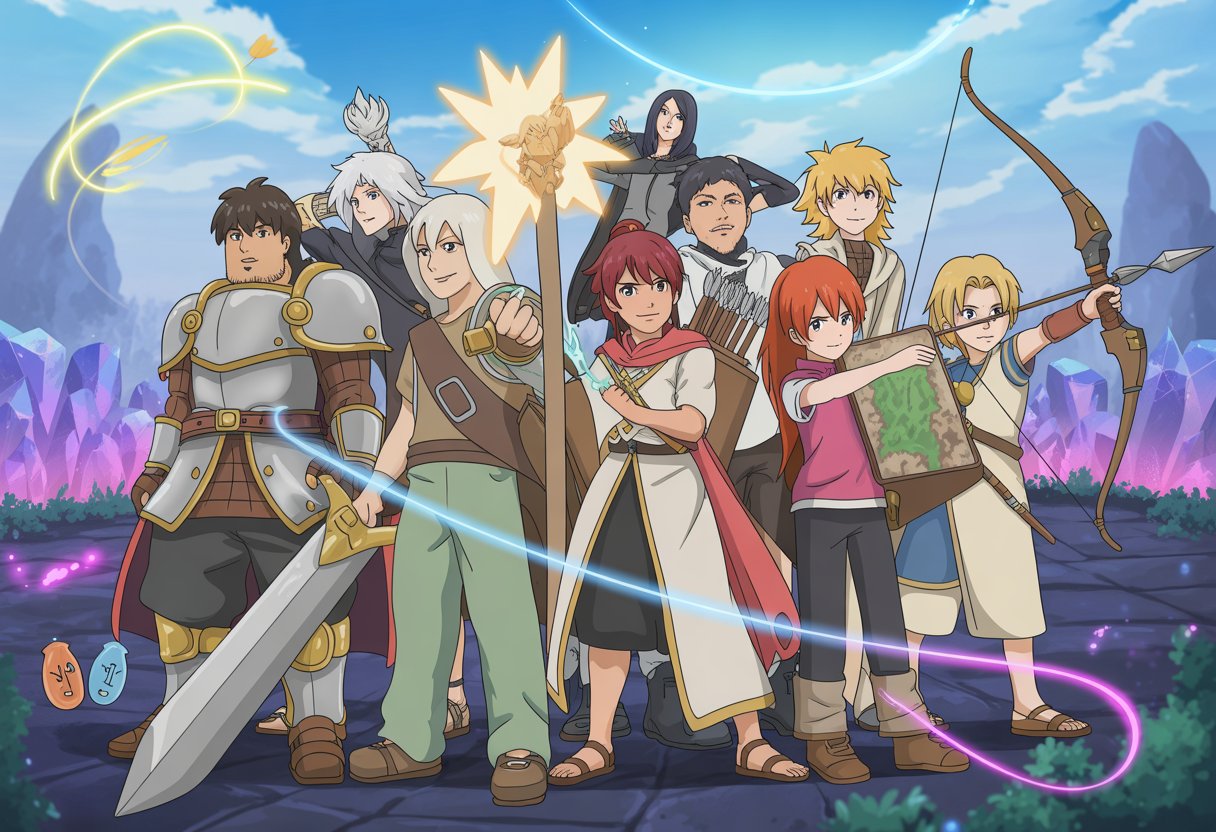
Success in team building also depends on knowing when to prioritize farming for better equipment and how to use elemental or role-based synergy to enhance overall performance. Even those without access to rare or meta characters can create strong teams by optimizing what they have and adjusting strategies based on the content they face.
By applying these principles, players can enjoy steady progress and a rewarding experience without relying solely on luck or exclusive units. Understanding the fundamentals of team composition helps unlock the full potential of any gacha game.
Understanding Team Composition
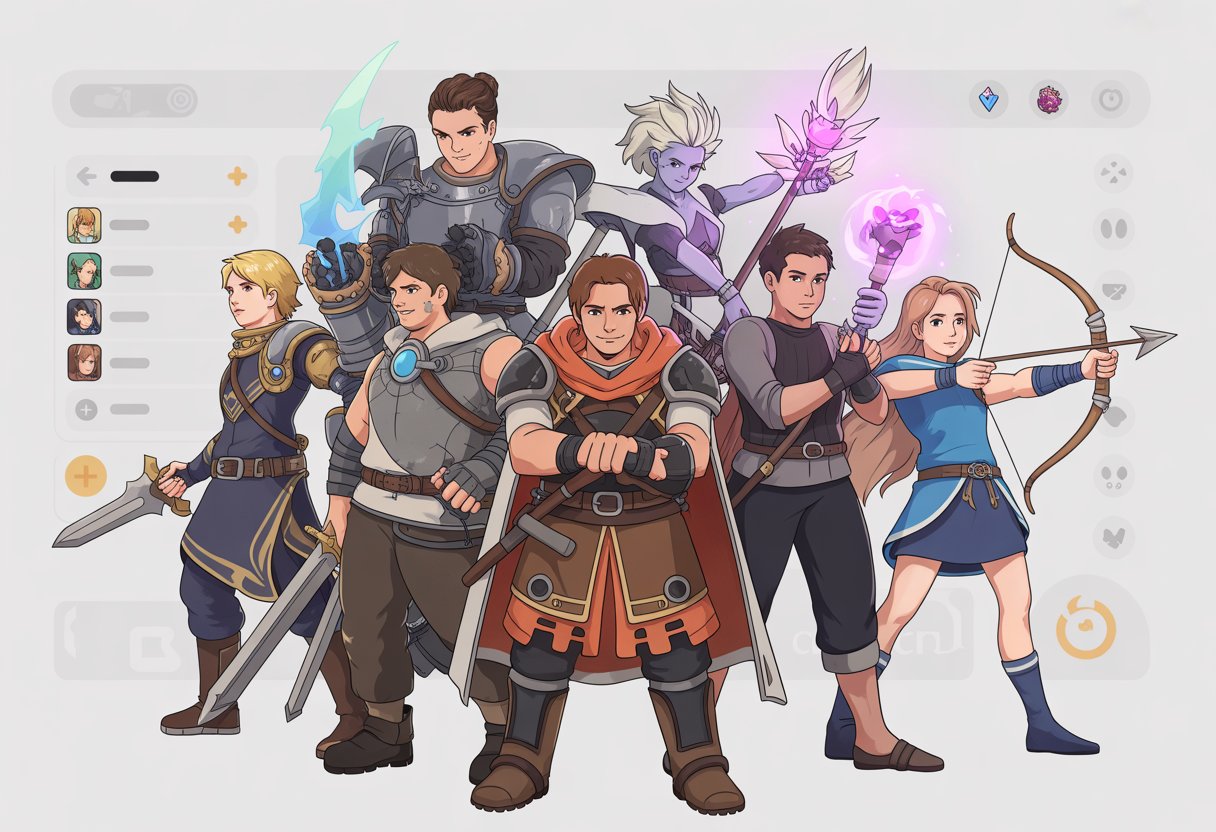
Effective team composition in gacha games relies on carefully selecting roles, maintaining balance between offense and defense, and placing characters strategically. Each of these elements influences how well the team performs in various challenges and content progression.
Roles and Synergy
In gacha games, characters generally fit into specific roles such as damage dealers, supportersa defenders. Damage dealers focus on outputting high damage quickly, while supporters enhance team abilities with buffs or healing. Defenders absorb damage and control enemy aggression.
Synergy happens when abilities complement each other. For example, one character might apply a status effect that another character can exploit for extra damage. Proper synergy maximizes skill uptime and resource management, improving overall team efficiency.
Selecting units that boost each other’s strengths or cover weaknesses is essential. Avoid overlapping roles unless the game rewards stacking similar abilities.
Balancing Offense and Defense
A team too focused on attack risks collapsing against heavy damage or crowd control. Conversely, an overly defensive team may lack tempo or struggle to finish encounters efficiently.
A good balance means including enough damage output to clear enemies timely while having sufficient survivability to sustain through waves or bosses. This could mean pairing high-damage characters with shields, heals, or crowd-control options.
Players should evaluate the game’s mechanics, enemy types, and their characters’ skills. For instance, if enemies inflict damage over time, prioritizing characters with cleansing or healing abilities strengthens sustainability.
Team Formation Strategies
Formation impacts how characters receive buffs or avoid damage. Many games offer positioning benefits, like ranged units placed behind melee defenders or support units located centrally for area buffs.
Choosing who leads the formation can enhance specific capabilities, such as speed or elemental resonance effects. Rotation order also matters, ensuring skill cooldowns align for optimal chain combos or energy generation.
Experimenting with different formations based on the available roster and challenge type helps find the most efficient setup. Recording performance and adjusting roles or positions contributes to continuous improvement.
Optimizing Character Selection
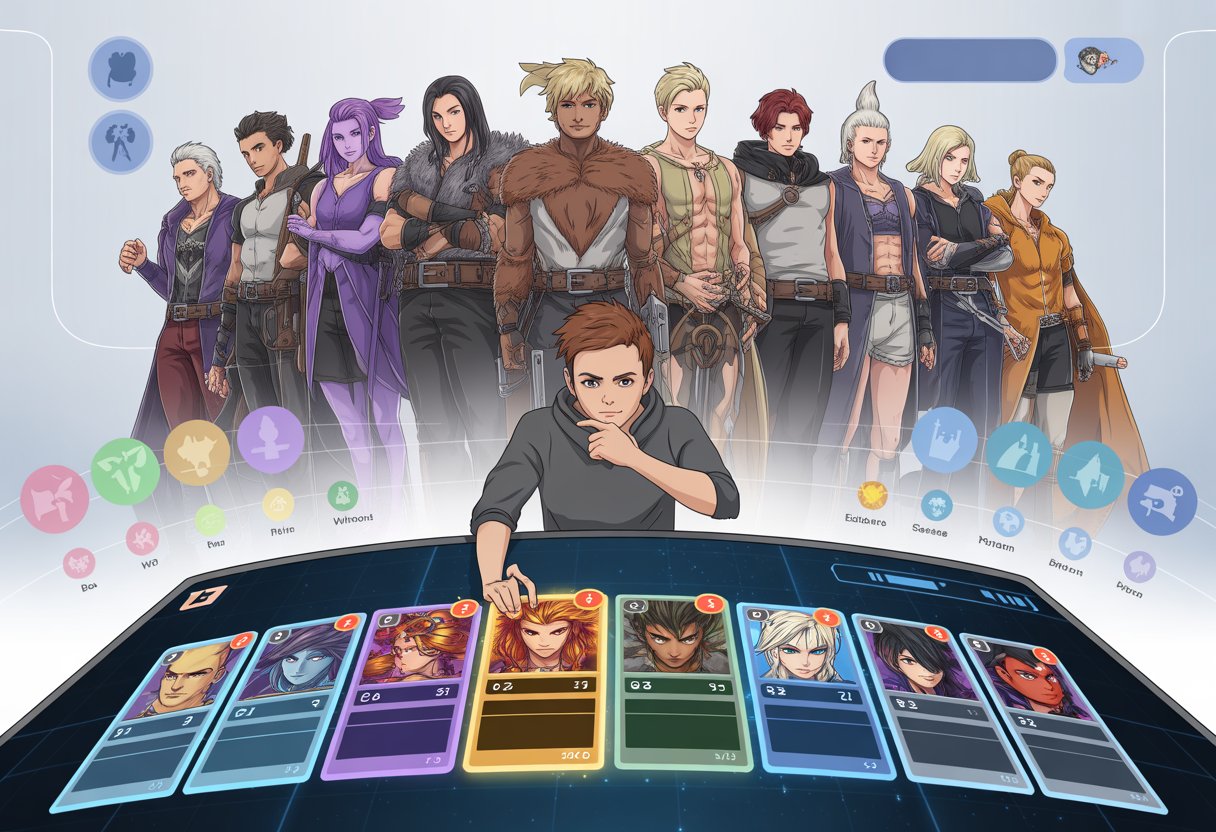
Effective team building in gacha games requires carefully selecting characters that fulfill distinct roles, synergize with each other, and exploit gameplay mechanics like elemental or type advantages. Prioritizing these factors results in a balanced and powerful team capable of handling diverse challenges.
Choosing Core Members
Core members form the backbone of any team. These characters typically deliver consistent damage, sustain survivability, or control the battlefield through crowd control abilities. Players should prioritize high base stats, valuable passive skills, and versatility in combat.
Selecting characters with reliable offensive capabilities ensures steady damage output. Defensive or tank-type cores help absorb damage and protect fragile teammates. A mix of damage dealers and tanks often provides balance, preventing a team from being one-dimensional.
Focus on characters with skills that complement players’ preferred playstyle. Investing resources in upgrading these cores maximizes overall team performance and long-term viability.
Utilizing Elemental or Type Advantages
Exploiting elemental or type advantages enhances damage effectiveness and survivability. Identifying opponents’ weaknesses allows a team to deal amplified damage or resist specific attacks.
Players should maintain diversity across elements or types, ensuring coverage against various enemies. For example, a fire-element character often deals bonus damage to ice-element foes, while water types may counter fire.
Team composition should strategically combine elements to trigger synergy bonuses where applicable. Matching boosts can increase damage or provide defensive buffs, so aligning characters in this way strengthens overall efficiency without compromising flexibility.
Supporting Characters and Utility
Supporting characters provide buffs, healing, debuffs, or crowd control that amplify core members’ effectiveness. Their role is crucial for sustaining a team through prolonged battles.
Prioritize support units that offer buffs like increased attack speed or defense, or healing abilities that maintain team health. Debuffers can lower enemy stats, easing the damage pressure on core damage dealers.
Utility characters with crowd control skills—such as stuns, slows, or displacement effects—can disrupt enemy strategies and provide control over the battlefield. Balancing support and utility roles ensures the team functions cohesively in both offensive and defensive scenarios.
Enhancing Team Performance
Maximizing team effectiveness requires attention to gear optimization, strategic leveling, and smart use of resources. Proper management in these areas can significantly improve damage output, survivability, and overall synergy.
Gear and Equipment Tips
Gear quality directly impacts character stats like attack, defense, and critical rate. Prioritize equipping characters with gear that complements their role; damage dealers benefit from offensive stats, while supports and tanks need defensive or utility boosts.
Focus on upgrading gear selectively. Enhancing a few key pieces is often more beneficial than spreading resources thin. Consider set bonuses that provide powerful passive effects when multiple items from the same set are equipped.
Regularly check for gear improvements through crafting, drops, or events. Replace outdated equipment promptly to maintain peak performance.
Leveling and Skill Upgrades
Character levels increase base stats and unlock skill upgrades vital for performance. Prioritize leveling characters that fit your core team composition first.
Skills often have tiers; upgrading these enhances effects such as damage, cooldown reduction, or buff durations. Focus on upgrading primary skills before secondary ones to maximize impact.
Balance leveling between characters to maintain a cohesive team. Avoid heavily investing only in one character, as many challenges require synergy and flexibility.
Effective Resource Allocation
Resources like experience, upgrade materials, and currency are limited. Allocate these strategically to characters and gear that contribute most to team success.
Track events and daily tasks that provide valuable resources. Use these opportunities to farm materials efficiently.
Set clear priorities: focus on characters with versatile roles or those central to meta strategies. Avoid investing heavily in niche characters unless they fit specific team builds or encounter requirements.